
Social Work Programs from Olivet Nazarene University
Olivet Nazarene University shines as a beacon of faith-based education with a rich heritage since 1907. Founded by a group of families who wanted Christian education for their children, this institution has grown into a complete university. Students learn to integrate faith and learning in any discipline, including its respected social work programs.
The university teaches “Education With a Christian purpose,” a philosophy that appeals to its social work curriculum. Located in historic Bourbonnais, Illinois—just 50 miles south of Chicago’s Loop—Olivet gives students a peaceful campus setting. They can easily access urban field placements and professional opportunities. Social work students find an ideal balance between traditional campus life and diverse practice settings.
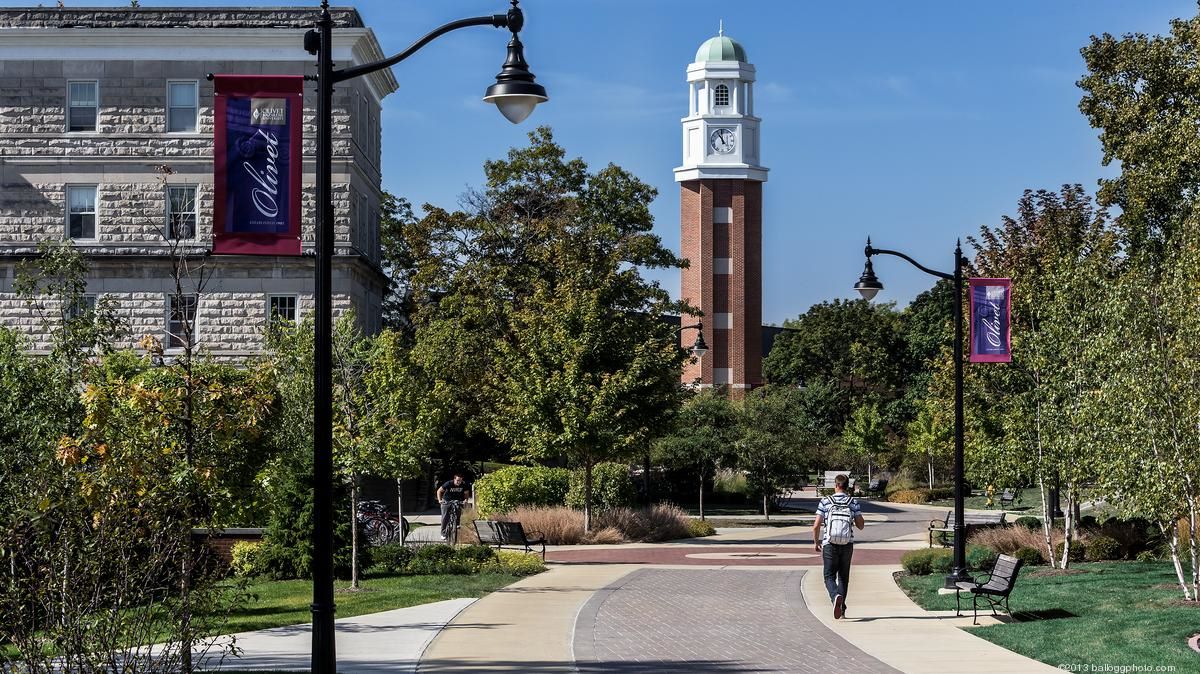
The beautiful 275-acre campus features 25 major buildings. Students experience academic excellence and spiritual growth in this environment. Park-like grounds offer spaces where students reflect, work together, and build community—key qualities for developing professional social workers. Olivet prepares future social work professionals who bring both practical skills and spiritual purpose to their work.
This private, Christian, liberal arts university maintains its connection with the Church of the Nazarene. The institution’s theological roots lie in the Wesleyan tradition. These foundations emphasize personal holiness, compassionate ministry, and social justice—values that line up with social work’s ethical principles. While Nazarene in tradition, the university welcomes students of all faiths. More than 40 different denominations exist in the student body. This religious diversity enriches classroom discussions and helps social work students serve clients from different cultural and spiritual backgrounds.
The university has about 3,500 students, with 2,525 undergraduates. Students come from more than 40 states and 20 countries, bringing different views to campus life and classroom discussions. Social work students gain valuable cross-cultural experiences that prepare them for work in our diverse society.
Small class sizes at Olivet mean you get personal attention throughout your educational trip. The Higher Learning Commission accredits the university. On top of that, the Council on Social Work Education (CSWE) accredits the social work program. Your degree meets professional standards.
The university believes all truth is God’s truth, without separating secular and non-secular knowledge. This integrated view helps social work students who must develop skills across multiple disciplines while maintaining their professional identity. The social work curriculum prepares graduates to address complex human needs with technical expertise and compassionate understanding.
Olivet Nazarene University offers several unique benefits:
- Faith-integrated social work education that includes spiritual aspects of human experience
- Chicago-area field placements near campus
- Supportive faculty and peers dedicated to service
- Strong professional preparation through CSWE-accredited programs
Campus life offers many chances for personal and professional growth. Students can join more than 90 clubs and organizations. Many groups complement social work education through service learning, advocacy, and community involvement. These activities help future social workers develop leadership skills, cultural competence, and professional networks before graduation.
The university makes education available to all. About 99 percent of students get financial help, sharing $110.80 million in scholarships and grants each year. This makes quality social work education available to students from all economic backgrounds. The profession needs practitioners who represent their communities.
Over 40,000 alumni have graduated from Olivet since its founding. They serve worldwide in various professions, including social work. Current students benefit from this network through mentorship, field placements, and professional connections that last beyond graduation.
Students learn both career skills and life wisdom. This approach works well for social work education, which needs practitioners to combine professional abilities with personal values and ethics. You’ll grow as a social work professional and as a person ready to serve others with compassion and skill.
The university’s connection to the International Church of the Nazarene—with over two million members in more than 26,000 local congregations across 156 world areas—links students to global service networks. These connections boost international social work opportunities and cross-cultural understanding.
Where is Olivet Nazarene located
Olivet Nazarene University sits in the charming village of Bourbonnais, Illinois. The campus location 50 miles south of Chicago’s Loop gives students the best of both worlds – peaceful suburban life and easy access to big city resources that help social work students gain field experience.
Students and visitors can find the university at One University Avenue, Bourbonnais, Illinois 60914-2345. The campus lies just one-and-a-half miles southwest of Exit 315 on Interstate 57, making it easy to reach for daily commuters and visitors.
The university’s 275-acre campus feels like a beautiful park. Students enjoy many academic buildings, sports facilities, athletic fields, dining spots, and performance venues. The Centennial Chapel is a key landmark, showing how the university blends faith with education—a key part of Olivet’s social work program.
Students study and learn in 25 major buildings spread across the grounds. These areas serve different purposes – from academics to student life and spiritual growth. Modern technology meets historic architecture here, giving social work students updated learning spaces while preserving the school’s rich history. Students find plenty of spots to study, reflect, and work together—skills they’ll need as social workers.
Bourbonnais adds its own charm to the university experience. This historic village welcomes students who want to work with local groups and learn from the community. Life moves at a gentler pace here than in big cities, yet students still see enough variety in social issues to learn valuable lessons.
Chicago’s proximity makes a huge difference for social work students. The city sits just 50 miles away, opening doors to many field placements, professional events, and different work settings. Students can experience everything from Chicago’s urban challenges to small-town dynamics in nearby communities.
Students should note that Olivet Nazarene University (ONU) in Bourbonnais, Illinois differs from Ohio Northern University (ONU) in Ada, Ohio. These schools share the same initials but operate as separate institutions in different states. The social work programs mentioned here belong to Olivet Nazarene University in Illinois.
Social work students benefit from several location perks:
- Practice opportunities in rural, suburban, and urban areas
- Many social service agencies throughout Chicago’s metro area
- Faith-based social service organizations nearby
- Communities with different economic backgrounds and needs
The campus helps shape future social workers through its mix of learning resources and community spirit. Students use modern classrooms, research spaces, and special areas for practicing their skills—all within this large campus.
Kankakee County surrounds the university, which sits near the city of Kankakee. This setting helps students understand how different towns organize their social services. Such variety enriches their education as they learn about community systems.
The grounds blend academic buildings with sports facilities, creating a complete campus life. Social work students learn both in and out of class. The dining halls, theaters, and concert venues help build community—a crucial part of becoming a professional social worker.
The campus layout matches Olivet’s educational goals by combining spiritual growth with professional training. This design supports the university’s mission of “Education With a Christian purpose,” letting students explore social work ethics alongside their faith.
Future social workers find an ideal setting here to blend professional training with spiritual growth. The Bourbonnais campus offers well-designed spaces near diverse communities, perfect for developing both practical skills and ethical awareness.
The park-like campus changes with each season, offering quiet spots for reflection and personal development. These qualities help future social workers develop self-awareness and thoughtful practices. From old buildings to new learning spaces, every part of Olivet’s location adds to an education that matches social work’s professional values.
Olivet Nazarene University helps aspiring social workers build professional skills within a faith-based framework. Students can pick from several program paths based on their needs and career goals.
The core of their offerings is the Bachelor of Social Work (BSW) degree program. Students complete 47 credit hours of core social work courses and 13 hours of required supporting coursework. This program gives students the foundational skills needed to work in social work settings of all types. Students learn to enhance human well-being and help vulnerable and oppressed populations.
Students who want a lighter course load can opt for a minor in social work instead of the full major. This path works well for those who want to blend social work knowledge with other fields.
Working professionals and transfer students benefit from Olivet’s online Bachelor of Social Work degree completion program. This program welcomes junior-level students and lets them build on their existing credits. Students can take courses in six eight-week terms—two sessions each in fall, spring, and summer. This schedule helps busy adults finish their education while juggling other responsibilities.
Olivet’s social work education shines through its blend of faith and professional practice. ONU faculty believe social work represents “God’s work,” with students serving as Christ’s hands and feet to meet people’s physical and spiritual needs. Students learn to:
- Use their faith as inspiration for their work and self-care
- Direct ethical challenges through both professional and spiritual perspectives
- Build community through Diakonia, a student-led club that runs campus social events and off-campus service projects
The BSW program meets the standards set by the Council on Social Work Education (CSWE), which has extended the program’s accreditation through 2024. Graduates receive education that aligns with professional standards.
Students experience a curriculum that mixes theory with hands-on practice. Core courses cover Human Behavior and the Social Environment, Social Work Practice, Research Methods, Crisis Intervention, and Social Policy Analysis. Students also choose two electives from options like Urban Justice Policy, Drugs in Society, Social Work with the Aging, Child Welfare Services, and Mental Health Issues in Social Work.
Hands-on learning starts early at Olivet. Students spend 30 hours mentoring at-risk youth in their first course. They complete three 20-hour service blocks with at-risk populations during core courses. The program ends with a 450-hour field placement where students show their mastery of core skills.
Students develop skills in ethical decision-making, cultural competency, and community work. They graduate ready for entry-level social work positions with the knowledge to make positive changes in their communities.
Psychology students interested in graduate studies can join Olivet’s 3+2 program through collaboration with Case Western Reserve University. Students finish their undergraduate work at ONU in three years, then move to Case Western Reserve—home to one of America’s top social work graduate programs. Students earn both a bachelor’s degree from Olivet and an MSW from Case Western in just five years.
Beyond formal programs, Diakonia offers professional growth opportunities. This student-led social work club creates bonds among majors while offering social and service activities.
Olivet’s social work program size creates a perfect learning environment. Students meet peers with different backgrounds, yet classes remain small enough for faculty to know each student and provide personal academic guidance.
Getting into the BSW program takes more than declaring it as a major. Students need C- or higher grades in prerequisite courses, a 2.50 or higher cumulative GPA, and extra applied learning hours beyond introductory coursework.
These programs aim to help students master nine core competencies set by the Council on Social Work Education. Skills range from ethical professional behavior to engagement, assessment, intervention, and evaluation with various client groups.
Students practice their skills through peer role-playing. They try one-on-one counseling, family therapy, and support group management. Real-world experience comes from community needs assessments and policy advocacy work.
Field education at ONU
Field education is the core of Olivet Nazarene University’s social work program. Students blend classroom theory with ground practice through hands-on experience. ONU integrates field learning right from the start of your educational experience, unlike other programs that wait until later semesters.
Practical experience begins on day one. Students must complete 30 hours of mentoring at-risk youth in a local elementary or middle school during their first social work course. This original experience lets you apply classroom concepts in a supervised environment and make meaningful contributions to the community.
Your field experience grows as you progress through core coursework. You must complete three separate 20-hour blocks serving at-risk populations of your choice. These intermediate field experiences give you the flexibility to explore different practice settings, populations, and social issues. You’ll learn about areas of professional interest before your final placement.
A detailed 450-clock-hour field placement in your senior year caps off your social work education at Olivet. This intensive internship makes up about 25% of your overall educational activity within the program and arranges with global standards for professional social work education. Your academic experience reaches its peak here as you demonstrate mastery of all core competencies learned throughout the curriculum.
You must meet several requirements before starting this final field placement:
- Maintain a cumulative GPA of 2.50 or higher
- Earn a grade of C- or higher in all major courses, supporting courses, and social work electives
- Achieve social work competency assessment scores of 70% or higher on specific assignments
- Complete all required applied learning hours (including the original 30 hours and three 20-hour blocks)
- Successfully complete SOWK 401 (Social Work Field Seminar) in the semester before placement
Faculty interviews students with conditional status before their field placement to assess readiness for this most important professional experience. Some agencies might require a criminal background check at the student’s expense.
The Social Work Field Coordinator manages the placement process carefully and matches you with settings that fit your professional interests. The program tries to place students in their preferred areas, but the main goal is to provide experiences covering a broad spectrum of generalist practice. So, the Field Coordinator can affirm or deny specific placements.
Quality supervision remains a priority for field students at ONU. Agencies with supervisors holding a Master of Social Work (MSW) degree are preferred. Their supervision will give a solid foundation as you learn from experienced practitioners who understand both theoretical foundations and practical realities of today’s social work.
Your field placement location options are flexible. You can choose placements near ONU, in your hometown community, or even abroad. This flexibility helps you gain experience in settings that match your future career plans or explore new environments that broaden your professional view.
SOWK 405 (Social Work Field Seminar II) runs alongside the field placement (SOWK 400). This seminar creates space for structured reflection and integration of your field experiences. You’ll find support here as you process challenges, celebrate successes, and connect practical experiences with classroom theory.
The detailed field education at Olivet creates remarkable outcomes. Much hands-on experience gives you the skills and confidence needed after graduation. Field education shapes your professional identity and helps you embrace social work values and ethics.
Your field education experience lets you apply classroom knowledge in ground settings while working with people of all backgrounds. You’ll practice assessment, intervention, and evaluation skills while developing cultural competence that works in the field.
ONU’s commitment to integrating faith views with professional practice shows in the field placement structure. Many students discover how Christian values blend with social work’s ethical commitments to human dignity, social justice, and service to vulnerable populations—key elements of a Christian social work degree.
You’ll complete nearly 550 hours of supervised practice experience (30 + 60 + 450) before graduation. This extensive practical training, combined with ONU’s strong theoretical foundation, prepares you to enter the workforce confidently or pursue advanced standing in many graduate programs.
The field education at Olivet grows in complexity and responsibility. You start with structured mentoring experiences under close supervision. As your skills and confidence grow, field experiences become more intensive. You end up in a professional-level placement where you work with appropriate independence while still receiving supportive supervision.
What sets Olivet Nazarene University apart?
Olivet Nazarene University’s social work program stands out from other schools. It creates a unique learning experience that combines professional excellence with spiritual growth. ONU’s faculty believes social work is “God’s work.” They see themselves as Christ’s hands and feet who help people with basic needs like food and shelter, as well as mental health support.
Students at Olivet can use their faith throughout their professional trip. The faculty helps them direct through ethical challenges they might face while they think about how their beliefs shape their actions. This natural blend of professional standards and spiritual values creates graduates who bring both skills and moral clarity to tough situations.
The program size gives students another big advantage. Olivet’s social work department hits the sweet spot—it’s big enough for students to work with classmates from different backgrounds, yet small enough that teachers know everyone’s name and truly care about their growth. Students get one-on-one guidance that helps them direct their education path with personal support.
Diakonia, the student-led club, builds strong connections among social work majors. Students create lasting friendships through campus events and service projects in the community. These bonds create a support system that boosts both learning and professional growth.
Olivet puts more focus on hands-on experience than many similar programs. Students start practicing right away in their main courses. They role-play counseling skills and run mock family therapy or support group sessions. As they progress, they assess real community needs and promote policy changes. This approach makes sure graduates have both book knowledge and real-world skills.
The Council of Social Work Education (CSWE) has given the program its seal of approval through 2024. This recognition shows that students get top-notch professional training while learning to include faith in their work.
Working adults will find great flexibility in Olivet’s online BSW completion program. The course schedule includes six eight-week terms, with two sessions each in fall, spring, and summer. Students can join live classes or watch recordings later, which works well with busy schedules.
Olivet shows its commitment to education through excellent employee benefits. Workers get full undergraduate tuition coverage after just 90 days. Their spouses and children get the same benefit after three years. Staff members can also get full graduate tuition coverage after three years.
The retirement package looks impressive too. The school contributes up to 7% of salary based on service years—with no matching required. Health insurance options are just as good, with several plans (PPO, HSA, HMO) that let employees pick what works best for them.
Psychology students can take advantage of a special 3+2 program with Case Western Reserve University. They finish their ONU undergraduate work in three years before heading over to Case Western’s excellent social work graduate program. Students earn both their Bachelor’s from ONU and Master’s in Social Work from Case Western in just five years. This saves both time and money compared to traditional paths.
The program creates professionals who understand both the technical side of social work and its spiritual aspects. Graduates leave ready for entry-level jobs with skills in ethical decision-making, cultural awareness, and community work. This all-encompassing approach creates social workers who can handle complex human needs with skill and care.
The job market looks bright for social workers, with 6-7% growth expected through 2032. Olivet graduates enter this growing field well-prepared. They bring both expertise and spiritual purpose to their work with vulnerable populations.
Next steps
Want to start your trip toward a career in social work at Olivet Nazarene University? You’ll need to understand the application process and requirements for this Christian social work degree program.
Olivet’s Bachelor of Social Work program has a two-stage application process. You must first complete your original undergraduate admission application. The second stage focuses on BSW admission after your initial application gets accepted.
The BSW-specific application needs these items:
- A completed Letter of Intent
- Two Letters of Recommendation
- Responses to admission essay questions
- Signed Social Work Professionalism and Ethics Agreement
- Signed Criminal Background Statement of Understanding
- Your current resume
- Your academic transcript
Your social work education at Olivet requires specific academic standards. Students must maintain a minimum institutional and cumulative GPA of 2.0, with a major GPA of at least 2.5. You need a grade of C- or higher in all major courses, supporting courses, and social work elective courses.
First-time college students can enroll as on-campus students to complete liberal arts core requirements before applying to the BSW program. Olivet welcomes credits from any regionally accredited institution and works with the Michigan Transfer Network to make transfers easier.
Your professional preparation requires several purchases. BSW students must buy Tevera, a field education management system. The Practicum Director will tell you when and how to get this required tool.
Professional liability insurance is also required. Students should pick the USD 1-3 million coverage option that covers one calendar year. National Association of Social Workers (NASW) student members get better rates—$60 for annual membership plus $15 for liability coverage. Students who aren’t NASW members can buy liability insurance directly for $25.
Getting your acceptance letter means celebration time! Here’s what to do next:
- Submit your final high school transcript to Olivet before classes begin
- Schedule a campus tour or attend an open house to explore the campus
Olivet’s test-optional admission process lets you submit undergraduate applications without ACT or SAT scores. You can still include test scores if they might boost your application.
Make your commitment official after admission by submitting your deposit. This gives you access to set up your ONU email, register for Summer Orientation, and select your housing priorities.
Your Olivet degree creates a strong foundation for international social work. Most international positions ask for at least five years of experience, and your degree provides the groundwork to build a global career.
Students thinking about advanced education can benefit from Olivet’s partnership with Case Western Reserve University. Their 3+2 program lets psychology majors earn both a bachelor’s degree and an MSW in five years.
These steps lead you toward joining the 98% of Olivet social work alumni who land jobs in the field or enter MSW programs right after graduation.