
Social Work Programs offered at Chicago State University
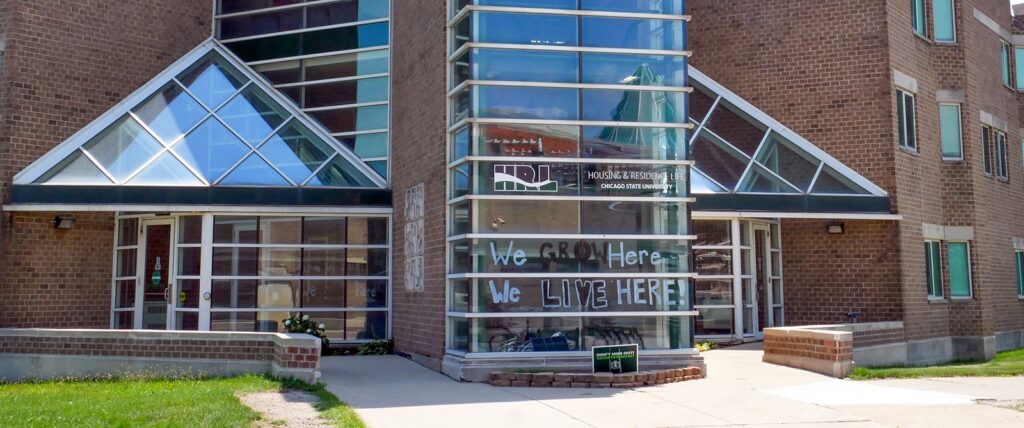
Social work is both an academic discipline and a hands-on profession that helps improve people’s lives – from individuals to entire communities. Social workers help people discover their own solutions for self-reliance. They use social sciences to work with clients, assess situations, and create solutions for social and personal challenges.
Chicago State University has a Master’s of Social Work program that prepares graduates to take on advanced professional roles in social services. The program gives you the skills you need to work as a service provider, supervisor, or administrator in public and nonprofit organizations. You’ll also build a strong foundation if you plan to pursue a Ph.D. in social work or related fields.
The MSW program at Chicago State University has accreditation from the Council on Social Work Education. This means your degree meets professional standards and employers and educational institutions will recognize it throughout your career.
CSU’s social work curriculum stands out with its unique viewpoint that is:
- Family-centered and strengths-based
- Trauma-informed
- A social-first approach to practical applications
The program curriculum focuses on three main areas:
- Clinical practice with families and children
- Development and analysis of social policy
- Designing and managing human service programs
The program includes several key elements that create well-rounded social work professionals:
- Leadership and team-building skills
- Cultural competency development
- Personal growth opportunities
- Dedication to diversity
- Social and economic justice advocacy
The MSW program puts special emphasis on helping vulnerable, oppressed, and marginalized populations. This matches social work’s historical role of speaking up for society’s most at-risk members and working for systemic change.
The MSW Program at Chicago State University wants to “prepare graduate social work professionals, who are committed to life-long learning through a competent, culturally sensitive, evidence-based, trauma informed, family centered practice, and who use their leadership skills with a spirit of inquiry to serve global, especially urban communities with a commitment to social, racial, and economic justice.”
Graduate-level education builds on basic social work principles and prepares you for today’s complex social service challenges. You’ll gain advanced knowledge in specialized areas while strengthening your identity as a social worker.
CSU understands how personal traits, social environments, and systemic factors work together to affect human well-being. The program looks beyond individual interventions to see how policy, community resources, and organizational structures shape service delivery and client outcomes.
The curriculum balances theory and practice. You’ll study various practice models while developing real-world skills through hands-on learning. This approach ensures you’ll graduate with both theoretical knowledge and practical abilities.
Cultural competency is a key program feature that helps you work effectively with diverse populations. This skill is crucial in today’s multicultural society, especially in urban areas where social workers help clients from many cultural, ethnic, and socioeconomic backgrounds.
Former students confirm the program’s success in career preparation. One graduate said: “My experiences at CSU’s MSW program were very rewarding, challenging and life altering. It was at CSU’s MSW program that I received the mentoring and encouragement to pursue education and research as a catalyst for change and liberation.” This graduate later earned a Ph.D. in Philosophy of Social Work from the University of Illinois, showing how CSU’s program can lead to the highest academic achievements.
The MSW program keeps up with the changing nature of social services. You’ll learn critical thinking and evidence-based practice skills to help you evaluate new approaches and add new knowledge throughout your career.
The program maintains high academic standards while teaching the importance of self-care and professional sustainability. Social work can be emotionally demanding, so you’ll learn strategies to stay healthy while helping others effectively.
Chicago State University’s social work program shows steadfast dedication to social justice principles. You’ll learn how structural inequalities affect marginalized communities and discover ways to create fairer systems and services.
Where is Chicago State University located
Chicago State University sprawls across 161-acre campus in Chicago’s South Side Roseland neighborhood. You’ll find it at 9501 S. King Drive, right between the Burnside and Roseland communities. Social work students here get a chance to learn about urban communities and social systems in ways textbooks can’t teach.
The campus has been at its current spot since 1972. Today, it’s grown into a major institution on Chicago’s South Side. CSU is the biggest employer in Roseland. Social work students can see this economic relationship between the university and community unfold right before their eyes.
The campus grounds tell an interesting story. A stark difference exists between the university’s environment and its urban surroundings. Students enjoy surprisingly green, park-like settings that create a peaceful study atmosphere away from city noise.
The 95th Street marks the university’s northern border. A drive along this Chicago road from Cottage Grove Avenue west to Halsted Street shows modest single-family homes, small churches, fast-food spots, and large storage buildings.
The neighborhood around CSU’s social work program teaches valuable lessons about community life. Classic working-class Chicago neighborhoods stretch north of campus, featuring well-kept brick bungalows with neat lawns. Social work students get real-life experience understanding the communities they might serve later.
Getting to campus is easy thanks to Chicago’s reliable public transport system. The Metra Electric District train stops near campus with direct downtown Chicago access. Students can also catch the Chicago Transit Authority’s Red Line after a short bus ride. These transport options help social work students reach their field placements across the city.
The university’s grounds look different from typical city campuses. Stately trees dot the landscape, giving it an East Coast college feel. This unique setting creates a special learning space for CSU’s social work students.
Future students should know about the neighborhood’s character. The Roseland area near campus sees fewer safety issues than other parts of the neighborhood. Campus security measures add extra protection for students.
Social work students here learn directly from their surroundings. The community becomes their classroom for understanding urban social dynamics, available resources, and service needs. This hands-on experience adds depth to classroom learning.
CSU’s MSW program location offers clear advantages. Students see how big organizations affect neighborhood growth. They work with diverse client groups across Chicago’s neighborhoods. The peaceful campus provides a perfect backdrop for developing professional skills while staying connected to urban realities.
The university means more than just buildings in Roseland – it shows steadfast dedication to community work that matches social work values. CSU’s growth here proves the community investment that social work programs teach.
Students in CSU’s social work programs get the best of both worlds. They have access to a big campus’s resources and an urban setting’s lessons. Theory meets practice naturally here, helping graduates understand both academic ideas and real-life applications.
Those stately trees create quiet spots perfect for reflection – something every social work student needs while learning about self-awareness and professional growth. The surrounding neighborhood reminds them daily of the people they’re learning to serve.
Chicago State University’s Master of Social Work (MSW) program prepares students to become advanced professionals. The Council on Social Work Education (CSWE) has accredited this program, which means graduates will get education meeting professional standards.
Students need to complete 60 credit hours in the MSW program at Chicago State. This includes at least 12 credit hours of supervised field practicum. The detailed curriculum gives students flexibility with several program formats that fit different needs and circumstances.
Program Formats
CSU lets you study social work through these program structures:
- Full-Time Program: You can finish the 60-credit degree in two calendar years
- Part-Time Program: The degree takes three or four calendar years, with at least two courses per semester including summer
- Advanced Standing Program: Students with a BSW from a CSWE-accredited program earned in the last four years can complete this in one year full-time or two years part-time
Advanced Standing Program applicants must have a 3.0 overall GPA and a 3.0 social work major GPA. Accepted students might skip some foundation year courses based on transcript evaluation and need only 33 credit hours toward the MSW degree.
Curriculum Structure
Chicago State’s MSW curriculum has two main parts. Students start with 30 hours of foundation courses to build essential social work knowledge and skills. After completing this foundation, they can pick from several concentration options in the advanced curriculum.
Three specialized concentrations are available:
- Direct Practice in Family and Children Service
- Administration and Planning in Family and Children Services
- School Social Work
The program’s commitment to serving diverse communities showed in the 2019-2020 academic year results. Out of 24 students who earned their master’s degree in social work, 91.7% were women and about 95.8% were racial-ethnic minorities.
Field Education Component
Field education is vital to the MSW program because it gives hands-on experience. Students learn to develop, integrate, and apply professional knowledge, skills, values, and attitudes in ground settings.
Students must complete these hours:
- 400 clock hours in the first year
- 550 clock hours in the second year
- 600 clock hours for School Social Work concentration
Students usually go to field sites 2-3 days weekly across four semesters. They work in a variety of human service settings in both public and private sectors, which exposes them to different practice environments.
Students must have professional liability insurance to register for field work. A group policy provides this coverage.
School Social Work Specialization
The School Social Work concentration has specific requirements worth noting. This specialization teaches you to work in educational settings and get the Professional Educators License (PEL) for school social work. Chicago State got approval from the Illinois State Board of Education to offer this in March 2005.
Current MSW students must meet these requirements to join this competitive specialization:
- Keep good standing with a minimum 3.0 GPA
- Get at least a B in all social work major courses
- Submit specialization and field placement applications by December 30th
- Get recommendation letters from current field instructor and CSU MSW faculty
Students need 600 clock hours in school settings as required by the Illinois State Board of Education. This means about 21-24 hours weekly or 3 full days per week in a school placement. Many districts want a full school year commitment, which might go beyond graduation.
Transfer Credits and Time Limits
Students with previous graduate-level social work education can transfer up to 30 semester hours. These credits must be from a CSWE-accredited MSW program with a grade of B or better. Students must finish all degree requirements within 6 years from when they first enrolled.
Program Philosophy and Approach
Chicago State’s curriculum uses a trauma-informed, family-centered, and strengths-based viewpoint. This matches modern social work practice and helps students work with different populations.
The program focuses on clinical practice with families and children. Students learn about social policy development and analysis, and how to design and manage human service programs. Leadership skills, team building, cultural competency, and personal growth are key parts of the education.
The program stays true to social work’s core values by focusing on vulnerable, oppressed, and marginalized populations. This shows its dedication to diversity and social and economic justice.
Students must keep a 3.0 (B) average and pass field practicum to graduate. They also need to show commitment to ethical social work practice as stated in the N.A.S.W. Code of Ethics.
CSU currently offers only in-person classes for its social work master’s degree program. Students must attend classes and field education on campus.
Field education at CSU
The substance of professional social work training at Chicago State University is field education. It’s often called the “signature pedagogy” because it connects classroom learning with ground practice. This hands-on component gives you significant chances to use theoretical knowledge in real settings under professional supervision.
MSW students at Chicago State follow a structured sequence of supervised experiences. The foundation field placement takes 400 clock hours over two semesters. Students usually spend two days per week in an agency setting. The advanced field placement takes 550 clock hours. Students in the School Social Work concentration must complete at least 600 hours. This structure helps you build more sophisticated practice skills as you progress.
Students can work in a variety of settings, such as:
- Family service agencies
- Community mental health centers
- Hospitals and medical clinics
- Residential treatment facilities
- Schools
- Human service organizations
- Research institutions
- Nonprofit organizations
The Director of Field Education starts by carefully coordinating placements. They think over your professional goals, work history, volunteer experiences, and personal circumstances before making assignments. This careful matching process arranges your field experience with your career goals and learning requirements.
You’ll work under direct supervision from an experienced social work practitioner. Your supervisor will have an MSW degree and at least two years of post-master’s experience. This field instructor gives regular guidance, feedback, and assessment as you develop professional skills. A faculty field liaison also keeps communication open between the university and your placement site to support your growth.
CSU’s unique approach requires students to complete field hours during regular business hours—Monday through Friday between 8:00 AM and 5:00 PM. This schedule gives you the best access to professional social workers, administrators, and shared opportunities that aren’t available during evening or weekend hours. You’ll need to plan ahead to fit this daytime commitment among other responsibilities.
Many students already work in social service settings and want to complete field requirements at their workplace. Yes, it is possible, but it needs careful planning to maintain educational standards. Your work-site practicum must have different responsibilities from your regular job duties. You’ll need supervision from someone other than your work supervisor and specific time blocks just for field learning. You must submit work-site placement applications by March 30th.
CSU includes professional liability insurance through a blanket policy in your student fees. This insurance protects you with coverage limits of $1,000,000/$3,000,000. It meets an essential requirement to practice in agency settings.
The Field Seminar meets five times each semester. These required sessions make easier the connection between classroom knowledge and field experiences. They create a space to process challenges, share insights, and develop professional identity. Students must attend these seminars, though they don’t meet in the first week of classes.
The placement process follows specific dates. Field placement applications are due by November 1st each year. All but one of these students – newly admitted full-time students – must apply by June 1st. After you submit your application, the Director of Field Education works with you to find a suitable placement that fits both educational needs and your situation.
CSU carefully checks potential field agencies before partnering with them. They look at the agency’s mission, services, funding, staff, clients, supervision quality, and learning opportunities. This review ensures your field education happens in places that offer meaningful learning experiences matching program goals.
The field education at Chicago State University shows the program’s dedication to preparing skilled, culturally aware social workers. You’ll work with traditionally vulnerable and oppressed populations—including women, ethnic minorities, people in poverty, children, people of color, elderly individuals, and persons of diverse religious and sexual orientations. This experience helps you serve diverse communities effectively.
The core team in field education includes the Director, field instructors, faculty liaisons, students, campus faculty, and administrators. They all work together to create the best learning outcomes. This shared approach builds a supportive environment for professional growth while maintaining high educational standards.
What sets Chicago State University apart?
Chicago State University’s social work program has several unique features that make it an exceptional place to learn. The program offers a personal touch to social work education that you won’t find at bigger schools, striking the right balance between academic excellence and hands-on learning.
The program’s strength comes from its dual recognition. It has earned accreditation from the Council on Social Work Education (CSWE) and the Higher Learning Commission. Your degree will meet professional standards and gain recognition from employers and schools across the country.
CSU takes a unique approach with its family-centered, strengths-based viewpoint that runs through every course. This method helps you work better with different client groups by looking at what they can do rather than what they can’t—a skill that today’s social work practice values highly.
The department’s outstanding faculty makes a big difference. Here’s who will guide your learning:
- Kimberly Mann leads the department as Chairperson, with 17 years of experience in developing courses. She previously worked as Deputy Director for Research and Child Well-Being at the Illinois Department of Children and Family Services
- Sharva Hampton-Campbell brings over 30 years of experience in social work, mental health, and child welfare, with expertise in trauma-informed care
- Karla Horton holds a Professional Educators License in School Social Work and studies school social work, relational aggression, and trauma-informed curriculum
These experts bring their years of ground experience into your classroom, creating a rich learning environment.
Money matters too, and CSU makes education affordable. The MSW program costs $21,728 in total, and 95% of students receive financial aid. Quality education becomes possible for students who might struggle with costs elsewhere. The program maintains high standards with a selective 47% acceptance rate from 4,805 applicants.
Graduate success stories tell the real story. One graduate says: “The level of professionalism of the faculty and staff are astounding. The program’s focus is exceptional regarding inner city studies and working with marginalized youths and families”. Another graduate, now an Executive Director at a community service agency, credits CSU for their success: “Shortly after graduating, I was promoted from Manager to Clinical Director… My MSW degree from CSU prepared me well for these new challenges”.
The curriculum focuses on three key areas: clinical practice with families and children, social policy development and analysis, and human service program design and management. This three-pronged approach gives you versatile skills that work in many professional settings.
CSU goes beyond technical skills to build leadership and team-building abilities. These skills matter more than ever as employers look for social workers who can lead organizational change. You’ll also learn to work effectively across cultures, a vital skill in today’s diverse service environment.
The program shows its strong dedication to helping vulnerable, oppressed, and marginalized populations. This commitment to social justice shows up in practical training that helps you support those who need a voice.
Inner-city communities get special attention, with a focus on helping marginalized youth and families. This urban emphasis prepares social workers for the complex challenges they’ll face in city settings.
Students interested in school social work can earn a Professional Educator License with School Social Work Endorsement. This Illinois State Board of Education credential opens doors to careers in schools—an growing area in modern social work.
The program’s trauma-informed approach gives graduates another edge, matching current best practices. You’ll learn how trauma affects clients and how to help them heal without causing more harm.
If you’re looking at social work programs, these features make CSU worth your attention. While the program sets high standards, it offers support and guidance that prepare you to make a real difference in your profession and community.
Next steps
Are you ready to apply for Chicago State University’s social work programs? Your first step toward a professional career needs careful planning and attention to deadlines. Here’s how to guide yourself through the application process.
The timing of your application to CSU’s social work programs is crucial. You should submit your MSW program application by May 15th for full-time study or July 15th for part-time options. The competitive School Social Work Concentration has an earlier deadline of December 30th. Available spots are limited, and early submission will boost your chances.
CSU holds virtual information sessions throughout the year. You can join these sessions on the second Wednesday of each month at 6pm. The upcoming dates are September 10, October 8, November 19, and December 10, 2025, with more sessions in 2026. These meetings are a great way to get answers to your questions and learn program details.
Your application needs several components. Students might need to complete extra undergraduate work if they have academic gaps. A personal interview could explore your admission options if you don’t meet all requirements, as your experience and achievements count too.
The School Social Work Concentration has additional requirements:
- Good standing as an MSW student with minimum 3.0 GPA
- At least a grade of B in all social work major courses
- Two recommendation letters (one from current field instructor and one from CSU MSW faculty)
- Completion of a specialization application and field placement application
Students should pass the Professional Educators License (PEL) exam before starting field placement in the spring semester. This concentration requires 600 clock hours in field placement, which usually runs through the end of the school district’s academic year.
Money concerns? Social work students have several funding options. Doctoral programs offer financial aid and scholarships, and many need applications by March 1st each year. Master’s students usually have similar opportunities.
CSU’s Office of Financial Aid manages over $350 million in federal, state, institutional, and private financial aid funds. You can view your financial aid offers in RAMweb once they’re ready, and you’ll get an email notification.
Some specialized programs cover all educational costs. The FosterEd program pays full attendance costs for eligible students who were in foster care or non-certified kinship care in Colorado on or after their 13th birthday.
Students with exceptional academic credentials must maintain a minimum 3.0 GPA to qualify for specialized programs and stay in good academic standing. Applications submitted by priority deadlines get first consideration, so early planning improves your admission chances by a lot.
The Department of Social Work welcomes questions from future students and helps throughout the application process. You can reach out directly to clarify any requirements or program expectations.